Why Scenic River Turnouts Are Perfect for Spotting Waterfowl, Eagles, and Hawks
Riley Creek, Hoot Owl Ridge, and Other Prime Viewing Areas Near Nauvoo

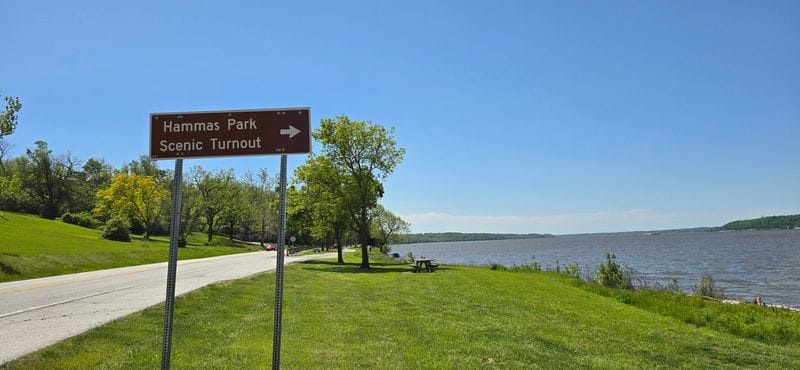
Some of the best birdwatching near Nauvoo doesn’t happen high on the bluffs, but at their base, where the Mississippi River widens, currents slow, and wetlands form. Scenic turnouts such as Riley Creek Rest Area, Hoot Owl Ridge, Mt. Moriah Scenic Turnout, Hammas Park Scenic Turnout, and Gray Point Scenic Turnout sit where river, shoreline, and bluff meet—creating ideal habitat for waterfowl, wading birds, and birds of prey.
These locations offer easy access, wide sightlines, and constantly changing bird activity throughout the year.
Why the Foot of the Bluff Is So Important
Where bluffs meet the river, the landscape naturally creates sheltered water, backwaters, and shallow feeding areas. These calmer sections of the Mississippi are perfect resting and feeding spots for ducks, geese, swans, and pelicans.
Bluffs also provide wind protection, making these areas especially attractive during migration and colder months. Birds conserve energy while remaining close to food and open water.
Waterfowl Hotspots Along the River
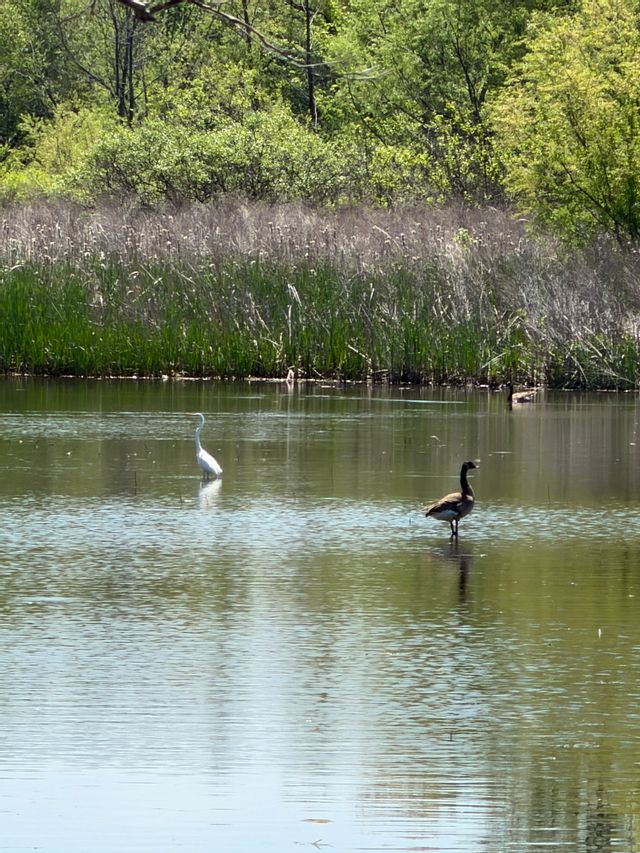
Each of these scenic turnouts, located between Nauvoo and Hamilton, Illinois on Highway 96, offers excellent opportunities to observe a wide variety of waterfowl:
-
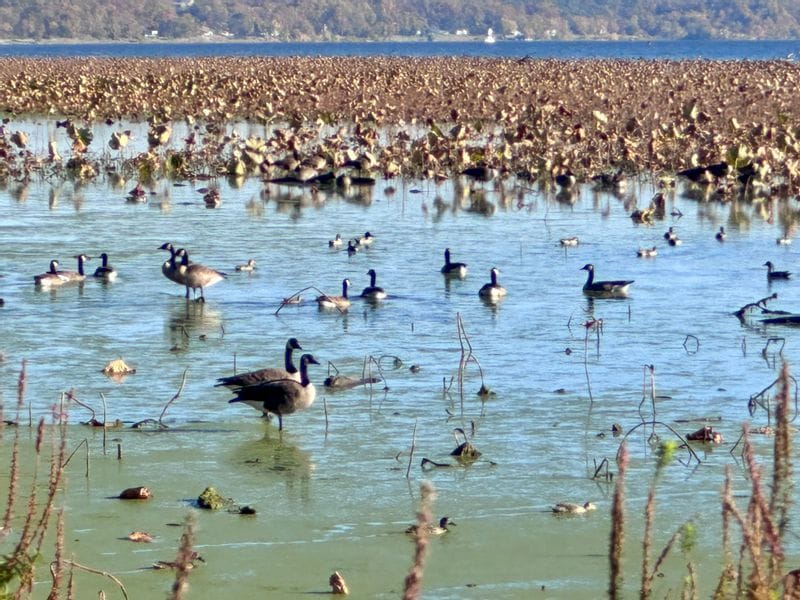
Riley Creek Rest Area often hosts mixed flocks of ducks and geese resting near the shoreline, especially during fall and spring migration.
-
Hoot Owl Ridge provides views of sheltered river bends where diving ducks and dabblers gather.
-
Mt. Moriah Scenic Turnout overlooks quiet waters favored by swans, pelicans, and large rafts of ducks.
-
Hammas Park Scenic Turnout offers access to wetland edges where herons, egrets, and waterfowl feed.
-
Gray Point Scenic Turnout is known for expansive river views and seasonal concentrations of migrating water birds.
Because these sites sit close to the water, birdwatchers can often observe birds at eye level or resting near shore.
Why Eagles and Hawks Still Appear Here
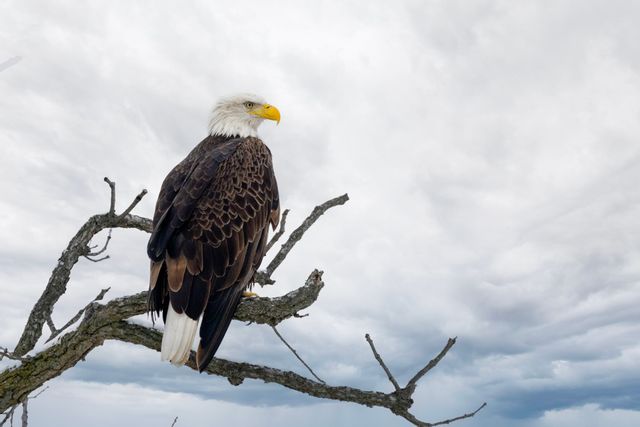
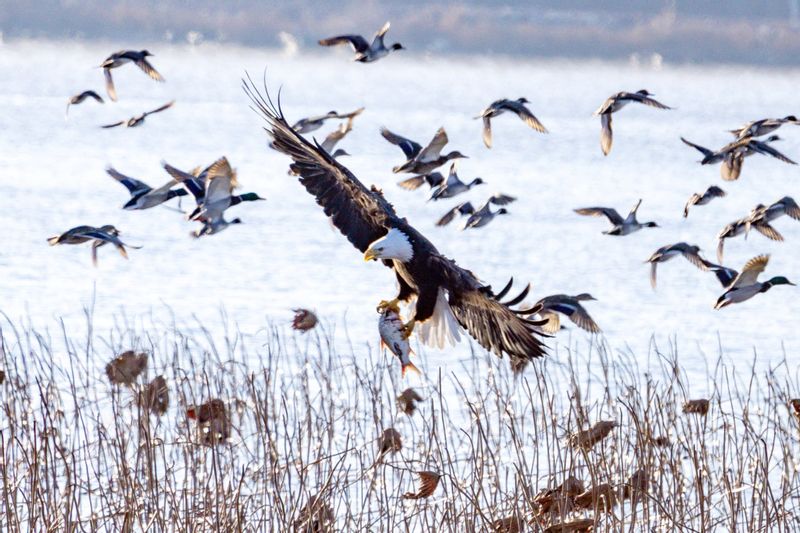
Even though these locations are not elevated, bald eagles and hawks frequently hunt along the river’s edge. Eagles patrol the shoreline looking for fish, while hawks and kestrels hunt over nearby fields and wetlands.
It’s common to see eagles perched in riverside trees or gliding low over the water before lifting higher on rising air currents.
Photo by Brent Asay
Best Times to Visit
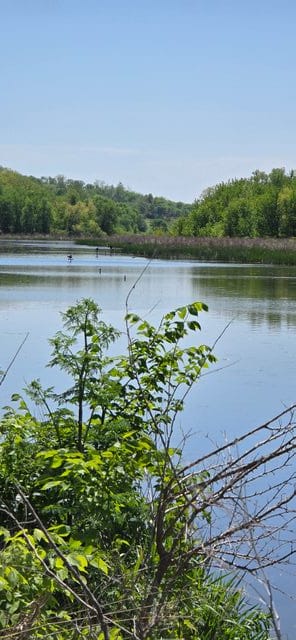
Early morning for feeding waterfowl and quiet conditions
-
Late fall and winter for large waterfowl concentrations
-
Spring migration for peak species variety
-
Calm days make spotting birds on the water easier
Birds You Might See
Depending on the season, visitors may spot:
-
Mallards, teal, pintails, and shovelers
-
Canvasbacks, scaup, and ring-necked ducks
-
Canada geese, snow geese, and tundra swans
-
American white pelicans
-
Great blue herons and egrets
-
Bald eagles and other raptors
Photo by Brent Asay
A Front-Row Seat to the Mississippi Flyway
Scenic river turnouts near Nauvoo offer a front-row seat to one of North America’s most important migration corridors. By positioning visitors right where bluff, river, and wetland meet, these locations showcase an incredible diversity of birds throughout the year.
Whether you’re watching thousands of ducks raft on the water or an eagle skim the river in search of fish, these turnouts reveal why the Mississippi River Flyway remains a lifeline for birds—and a hidden gem for birdwatchers.